Going Home for Diwali After Leg Reconstruction: How Far You Can Travel and How to Protect the Flap
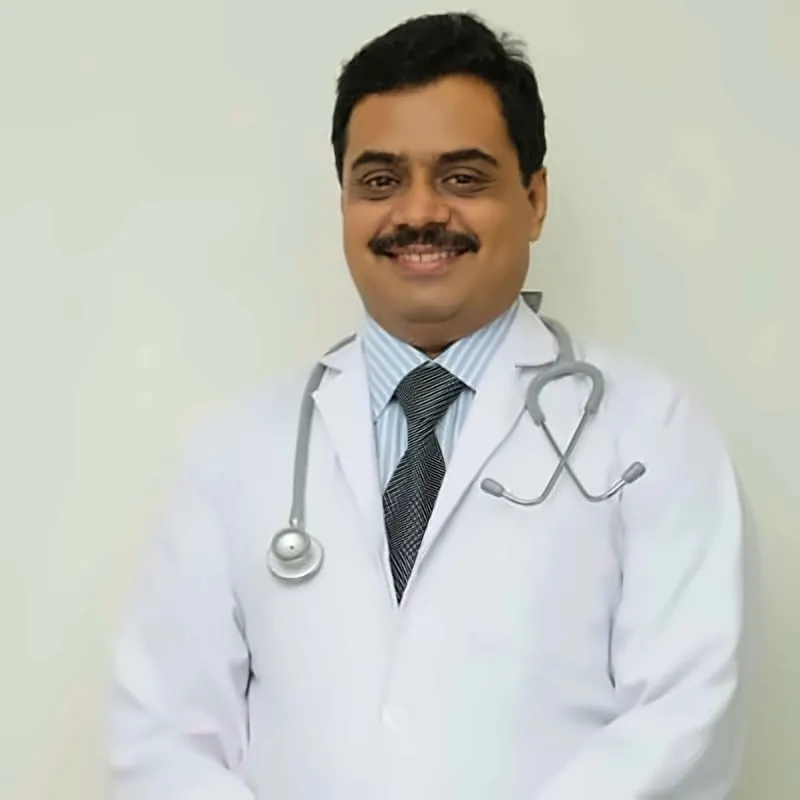
Written and medically reviewed by Dr. Ashutosh Shah, M.B., M.S., M.Ch., D.N.B., plastic surgeon at Elegance Clinic.
Most patients can travel home a few weeks after a leg flap or graft once the surgeon confirms stable healing, but long journeys need planning. Keep the leg elevated and supported, avoid hanging it down for hours, break the trip every hour, and carry a dressing kit. Swelling, colour change or bleeding means stop and call.
Diwali is the time of year when many patients want to go home, even if they are still recovering from leg reconstruction. Travel after flap surgery is possible for most people, but a healing flap or skin graft is sensitive to swelling, pressure and long periods with the leg hanging down. This guide explains when it is usually safe, how to sit during the journey, what to carry and which warning signs mean you should stop.
When is it usually safe to travel after a leg flap or graft?
It is usually safe to travel once the surgeon has confirmed that the flap or graft has taken, the wound is stable, and the leg tolerates being lowered without turning dark or swelling. For most patients this is a few weeks after surgery, but the exact timing depends on the type of reconstruction.
A flap is healthy tissue moved with its own blood supply to cover a wound, while a skin graft is a thin layer of skin placed on the wound that picks up a new blood supply from below. Recovery after flap surgery on the leg includes a stage called dangling, when the leg is lowered for short, increasing periods so the new tissue can adapt.
- Skin graft: the graft is usually checked within the first week, and leg lowering starts gradually after that.
- Local flap: leg lowering usually starts after one to two weeks.
- Free flap: leg lowering is introduced more slowly, as explained in our microvascular surgery aftercare guide.
Skin flap healing time continues for weeks after the wound looks closed, so a long journey should wait until the leg can stay lowered comfortably for at least the length of a typical travel break.
Use this travel readiness checklist, signed off by your surgeon:
- Flap or graft reviewed in person and confirmed stable
- Leg tolerates lowering without colour change or rapid swelling
- Wound dry, or with minimal ooze managed by simple dressings
- Pain controlled with tablets
- Clot risk assessed and any prescribed medicine started
- Dressing kit packed and a local doctor or nurse identified
- Next review or video consultation booked
Car, bus or train: which is kindest to a healing leg?
A train with a lower berth is usually kindest to a healing leg, because you can lie flat with the leg raised and walk short distances during the journey. A car works well for shorter trips if the leg can be stretched out, while a sleeper bus is possible but bumpier and harder to stop.
| Vehicle | Leg position | Breaks | Suitability |
|---|---|---|---|
| Car | Sit sideways on the back seat with the leg along the seat on pillows | Stop every hour to walk briefly and check the leg | Good for short to medium trips, flexible stops |
| Sleeper bus | Lower berth, lying flat with the leg raised on a pillow | Few stops, so move ankles and the other leg often | Possible, but bumps and limited stops make it less ideal |
| Train | Lower berth, lying flat with the leg raised | Short walks in the coach every hour if steady | Usually the best option for long journeys |
| Two-wheeler | Leg hangs down and is exposed to knocks | Not applicable | Avoid until the surgeon clears it |
How should the leg be positioned during a long journey?
During a long journey, the leg should be raised and supported along its full length, ideally at or above hip level, with nothing pressing on the flap. A car journey after leg surgery is safer when the leg is stretched across the back seat rather than bent down in front.
- Support the whole leg, from thigh to heel, on firm pillows.
- Keep the heel off hard surfaces and avoid anything resting on the flap.
- Do not let the leg hang down for long periods.
- Wear the compression bandage or garment if your surgeon advised it for lowering.
- Move the ankle of the other leg every few minutes to keep blood flowing.
For outstation travel and stay planning, see our outstation patient guide.
What should the travel dressing kit contain?
The travel dressing kit should contain everything needed for one or two simple dressing changes, plus your documents and medicines. A dressing change while travelling should only be done if the dressing is soaked or loose, and only as you were taught.
- Sterile gauze and non-sticking wound dressings
- Crepe or compression bandage and tape
- Sterile saline, gloves and hand sanitiser
- Small scissors and a clean plastic sheet to keep the dressing dry
- Prescribed medicines, including antibiotics, painkillers and any blood thinners
- Discharge summary, dressing instructions and your surgeon's phone number
- Recent photos of the flap, so changes can be compared
Which warning signs mean you must stop and seek help?
Stop the journey and call your surgeon if the flap changes colour, swells quickly, bleeds through the dressing, or if you develop calf pain, fever or breathlessness. Colour change in a flap is urgent, because early action can sometimes save it.
- Flap turns pale, white or cold: possible problem with blood flow into the flap
- Flap turns blue, purple or very dark: possible problem with blood flow out of the flap
- Rapid swelling or tightness that does not settle with raising the leg
- Bleeding soaking through the dressing
- Foul smell, pus or fever, which can signal infection
- Calf pain or swelling in either leg, which can signal a blood clot
- Sudden breathlessness or chest pain, which needs emergency care immediately
Long journeys after surgery also raise the risk of blood clots. The NICE guideline on reducing venous thromboembolism risk (NG89) is built on assessing each patient's risk, keeping them mobile and well hydrated, and using medicines or stockings only where the risk calls for them. The NHS guide to deep vein thrombosis lists the symptoms to watch for.
How does a reconstruction surgeon near Adajan Surat plan your festival trip?
At Elegance Clinic, travel after flap surgery is planned by Dr. Ashutosh Shah, plastic surgeon. In our practice, a trip home is approved only after an in-person review of the flap or graft, and the plan includes:
- Checking flap or graft stability and leg-lowering tolerance
- Assessing clot risk and prescribing prevention if needed
- Written dressing instructions for a local doctor or nurse
- A booked video review during or after the trip
You can book a pre-travel video review if you need a check before deciding. Patients who had complex leg reconstruction can read more about free flap reconstruction.
If you are planning travel after flap surgery this Diwali, a review before you leave makes the journey safer. Call Elegance Clinic on +91 83205 00350 to book a review with Dr. Ashutosh Shah.
Medical disclaimer: This article is for general education and is not a substitute for advice from your own surgeon. Every reconstruction is different. Please consult Dr. Ashutosh Shah or your treating surgeon before travelling.
FAQs
Can I sit cross-legged for Diwali puja after leg surgery?
No. Sitting cross-legged or squatting bends and compresses the operated leg and can damage a healing flap or graft. Sit on a chair with the operated leg stretched out and supported on a stool or pillows. Family members can bring the puja items within reach.
Is a sleeper bus safe after a flap?
A sleeper bus can be used if your surgeon approves it, because you can lie flat with the leg raised. Choose a lower berth, avoid climbing, and keep the leg cushioned against bumps. Since stops are limited, move your ankles often and drink water regularly.
Can a local doctor change my dressing at home?
Yes, a local doctor or trained nurse can change a simple dressing if they follow your surgeon's written instructions. They should not remove stitches, tie-over dressings or splints unless advised. Send photos to your surgeon if anything looks different from before.
Do I need blood thinners for a long car journey?
Not always. Your surgeon assesses your clot risk based on the surgery, your mobility and other health factors. Many patients need only regular movement, hydration and breaks, while higher-risk patients may be prescribed injections or stockings. Never start blood thinners without medical advice.
Can I wear footwear on the operated leg during the festival?
Only loose, soft footwear that does not press on the flap or graft, and only once your surgeon has cleared it. Tight straps and new shoes can rub and break down healing skin. If you are unsure, ask your reconstruction surgeon near Adajan Surat before the trip.
When is the next review after returning?
Your next review is usually booked before you leave, often within one to two weeks of returning. If you notice any change during the festival, a video review can be arranged sooner. Bring your photos and any dressing notes from the local doctor.
Ready to discuss your concern in person? Book a private consultation at our Adajan or Vesu clinic. Call +91 83205 00350 or use the Book Consultation button.