Peripheral Artery Disease Treatment in Dwarka: Restoring Leg Blood Flow
Key Takeaways
- Calf pain that appears while walking and settles within minutes of rest is the classic early sign of blocked leg arteries.
- Foot pain at night that eases when the leg hangs down signals advanced disease needing urgent assessment.
- Compression bandaging heals vein ulcers, yet it can damage a leg whose arteries are blocked, so testing comes first.
- Angioplasty or bypass restores flow, and most wounds only begin healing after circulation has been reopened.
- Elegance Clinic runs only at Adajan and Vesu in Surat, so patients from Dwarka plan one combined travel visit.
Peripheral Artery Disease Treatment in Dwarka matters most because of what the condition does quietly. Peripheral artery disease means the arteries carrying blood to the legs have narrowed, usually through fatty deposits, so the muscles and skin below receive less oxygen than they need. Early on the only clue is calf pain while walking that disappears on resting. Later, however, the same blockage turns an ordinary foot scratch into a wound that will not close.
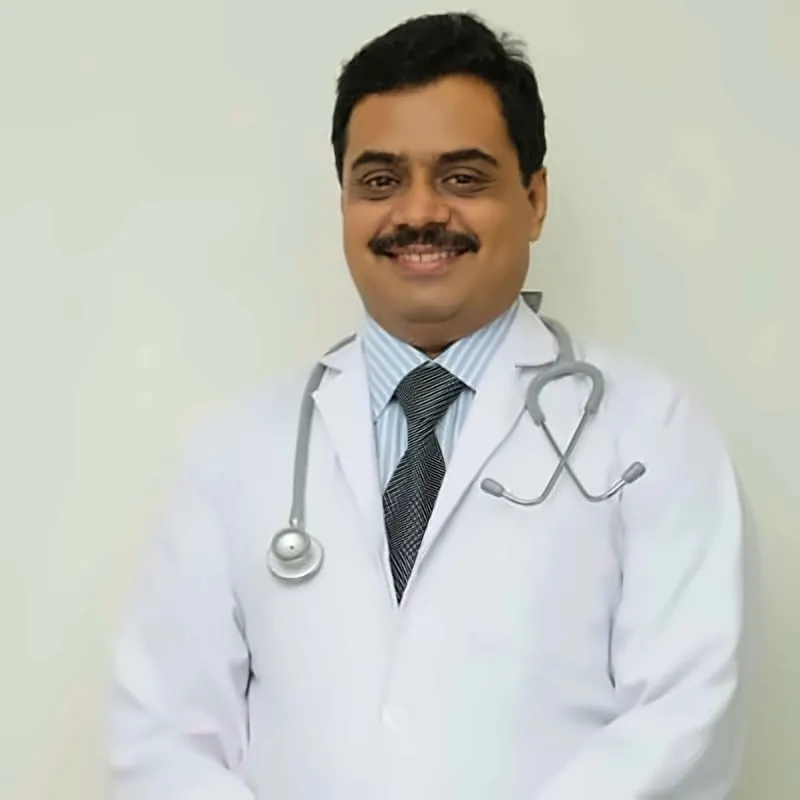
Patients from Dwarka, Khambhalia and the coastal Devbhoomi belt often reach Elegance Clinic at that second stage, when a toe has darkened or a heel wound has stayed open for months. Dr. Ashutosh Shah begins every such consultation with the same priority. Blood flow gets assessed before anything is dressed, cut or grafted, because oxygen decides whether healing is even possible.
What is peripheral artery disease?
Peripheral artery disease is narrowing of the arteries supplying the limbs, most often the legs, caused by fatty plaque building inside the artery wall. Less blood reaches the muscles and skin, particularly during activity. Consequently pain, slow healing and, in severe cases, tissue death follow in that order.
Peripheral artery disease is a circulation disorder in which narrowed leg arteries reduce blood supply to the muscles, skin and toes, producing walking pain first and non-healing wounds or gangrene later.
The World Health Organization identifies cardiovascular disease as the leading cause of death worldwide, and the same plaque process that narrows heart arteries narrows leg arteries too. That link explains an important clinical point. Whenever leg arteries are blocked, the heart and brain arteries deserve checking as well.
What are the symptoms at each stage?
Early disease causes cramping calf or thigh pain after walking a predictable distance, relieved by standing still for a few minutes. Moderate disease shortens that distance steadily. Advanced disease produces burning foot pain at night, cold pale toes, and wounds that refuse to heal despite regular dressing.
Other changes appear gradually and often go unmentioned in the consultation room unless specifically asked about.
- Hair loss over the shin and toes, with shiny, thin skin.
- Toenails growing slowly and thickening abnormally.
- One foot feeling colder than the other consistently.
- Pale colour when the leg is raised, turning dusky red when lowered.
- A small cut on the toe taking weeks rather than days to close.
Diabetes complicates this picture considerably. Nerve damage masks the warning pain, so patients with diabetes frequently reach the wound stage without ever experiencing the classic walking discomfort.
Who is most at risk?
Risk rises sharply with smoking, diabetes, high blood pressure, high cholesterol, kidney disease and age above fifty. Smoking deserves special mention, since it damages artery lining directly and multiplies the risk several times over. Family history and physical inactivity add further weight to the overall picture.
Coastal and rural working patterns matter too. Fishermen, farmers and drivers around Dwarka often continue working with foot pain for months, partly because stopping work is not financially simple. Recognising the early walking pain therefore protects both the limb and the livelihood.
How is circulation tested?
Testing starts simply and escalates only as needed. Foot pulses are felt first, then the ankle brachial index compares ankle pressure with arm pressure. Doppler ultrasound maps where flow slows, and CT or catheter angiography shows the exact blockage before any procedure is planned.
This order protects patients from a serious mistake. Compression bandaging, the standard treatment for vein ulcers, can worsen tissue damage in a leg with poor arterial inflow. Because mixed vein and artery disease is common after sixty, the pressure test is checked before any bandage goes on.
The treatment pathway
Structured Peripheral Artery Disease Treatment in Dwarka patients receive at Elegance Clinic follows a graded pathway. Milder disease responds to medical treatment, while limb threatening disease needs flow restored quickly.
- Stop smoking completely. No medicine or procedure matches the benefit of quitting, because continued smoking blocks stents and grafts far sooner.
- Control the underlying risks. Blood sugar, blood pressure and cholesterol are brought to target, usually with statin and antiplatelet therapy under supervision.
- Follow a supervised walking programme. Walking to near pain, resting, then repeating for thirty minutes several times weekly encourages new collateral vessels to develop.
- Reopen the artery. Angioplasty with or without a stent widens the narrowed segment, while bypass surgery routes blood around longer blockages using a vein or graft.
- Treat the wound and rebuild cover. Once flow returns, debridement, offloading and skin grafting or flap surgery close the wound that could not heal earlier.
Outcomes from limb salvage and reconstructive wound work appear on the before and after results page, and case discussions are shared on the clinic's YouTube channel. Reviewing both helps families understand what realistic recovery looks like.
Planning treatment from Dwarka
Honesty is essential here. Elegance Clinic has no branch, camp or visiting centre in Dwarka, and the clinics operate only at Adajan and Vesu in Surat, roughly five hundred and fifty kilometres away by road. That distance shapes how treatment should be organised rather than preventing it.
Most coastal families use a combined approach. Risk factor medicines, walking therapy and routine dressings continue near home, while angiography, angioplasty, bypass or reconstruction are grouped into one planned Surat admission. Afterwards video reviews with dated photographs handle follow up, and full travel guidance is available on the outstation patients guide. Urgent situations, such as a suddenly cold, painful, pulseless leg, need the nearest emergency hospital immediately rather than planned travel.
What does treatment cost?
Cost depends heavily on which pathway a patient needs. Medical management with walking therapy costs little, whereas angioplasty, stenting, bypass surgery or reconstruction involve hospital stay, implants and theatre time. Since the required work only becomes clear after angiography, an honest estimate follows the imaging rather than preceding it.
Families weighing the decision should consider the alternative. Repeated hospital visits, prolonged antibiotic courses, lost earning months and, ultimately, amputation carry a far larger financial and personal cost. Instalment options are outlined on the EMI and financing page so that timing does not depend on arranging a lump sum.
Myths that delay treatment
Myth: leg pain while walking is just age. Predictable pain relieved by rest is a circulation warning, and it responds well when treated early.
Myth: massage and hot fomentation improve blood flow. Heat on a numb, poorly supplied foot causes burns instead, and massage cannot open a blocked artery.
Myth: a stent means the disease is cured. Stents restore flow, though plaque continues forming unless smoking, sugar and cholesterol are controlled.
Myth: amputation is the only option for a black toe. Restoring circulation first often limits removal to the dead tissue alone, saving the walking foot.
Aftercare and protecting the limb
Long term results depend far more on daily habits than on the procedure itself. Fortunately the required routine is simple and inexpensive.
- Take prescribed antiplatelet and cholesterol medicines without interruption.
- Walk daily, building distance gradually, since exercise grows natural bypass channels.
- Inspect both feet every night, checking heels and the skin between the toes.
- Wear protective footwear indoors and outdoors, avoiding hot sand and hot floors.
- Report any new coldness, rest pain, blackening or non-healing cut within days.
Why patients choose Elegance Clinic
Families researching Peripheral Artery Disease Treatment in Dwarka usually want two answers, whether the limb can be saved and what the plan actually involves. Dr. Ashutosh Shah brings plastic and reconstructive surgical expertise to exactly that question, coordinating circulation assessment, debridement, skin grafting and flap reconstruction as one pathway instead of scattered referrals.
Equally, the consultation stays realistic. Patients receive a written plan, an honest assessment of what surgery can and cannot achieve, and clear cost expectations before starting. To discuss a leg or foot problem, families can use the online consultation booking page or send recent photographs through the clinic contact page.
FAQs
How do I know if my leg pain is circulation related?
Circulation pain follows a pattern. Cramping appears after a fairly consistent walking distance, then settles within a few minutes of standing still. Back related pain, by contrast, often needs sitting or bending forward before it eases.
Can blocked leg arteries improve without surgery?
Yes, in earlier stages. Stopping smoking, controlling sugar and cholesterol, and following a structured walking programme improve walking distance considerably. Procedures become necessary when rest pain, tissue loss or non-healing wounds appear.
Is angioplasty a permanent solution?
Angioplasty restores flow effectively, though narrowing can return over the years, especially in smokers and people with diabetes. Regular medicines, exercise and follow up scanning keep the treated segment open far longer.
Why does my foot hurt more at night?
Lying flat removes the small help gravity gives to blood flowing downward into the foot. Consequently pain increases and eases when the leg hangs over the bed. Night pain indicates advanced disease needing prompt assessment.
Can a wound heal while arteries remain blocked?
Rarely. Tissue repair requires oxygen delivered by flowing blood, so dressings alone achieve little when inflow is poor. Restoring circulation first is what makes debridement, grafting and healing genuinely possible afterwards.
Does diabetes change the treatment approach?
It does. Diabetes affects the smaller arteries below the knee, hides warning pain through nerve damage, and slows healing. Treatment therefore combines circulation work with tighter sugar control and much closer foot monitoring.
Should compression stockings be used for this condition?
Not without testing first. Compression benefits vein disease but can reduce already limited arterial inflow. Ankle pressure measurement determines whether compression is safe, and that check should always precede any bandaging.
Can walking make the condition worse?
Supervised walking is beneficial rather than harmful in stable disease, since it stimulates new vessel growth. Walking should stop, however, if a wound is present or if pain persists at rest, until the leg is assessed.
Ready to discuss your concern in person? Book a private consultation at our Adajan or Vesu clinic. Call +91 83205 00350 or use the Book Consultation button.