Necrotizing Fasciitis Treatment in Gondal: Act Fast, Rebuild Well
Published: 21 July 2026 · Last Updated: July 2026
Key Takeaways
- Necrotizing fasciitis is a fast spreading deep tissue infection that needs emergency surgery within hours.
- Pain far more severe than the visible skin change is the most important early warning sign.
- Emergency debridement saves life, and reconstruction with skin grafting restores the body afterwards.
- Diabetic patients face higher risk, so any rapidly worsening skin infection deserves urgent attention.
- Patients from Gondal should go to the nearest emergency hospital first, reconstruction can be planned in Surat later.
Necrotizing fasciitis treatment in Gondal begins with one urgent truth, this infection cannot wait. Necrotizing fasciitis is a rapidly spreading bacterial infection of the tissue beneath the skin, and it advances within hours, not days. The immediate step for anyone in Gondal with a rapidly worsening, severely painful skin infection is the nearest emergency hospital, because the first surgery must happen fast.
Where a specialist plastic surgery centre like ours in Surat helps is in what comes after the emergency, repeated wound cleaning, wound care for the large raw areas the infection leaves behind, and skin grafting to close them. Consequently, this guide explains the warning signs, the emergency pathway, and the reconstruction journey that returns patients to normal life.

What Is Necrotizing Fasciitis?
Necrotizing fasciitis is a severe bacterial infection that spreads along the fascia, the tissue layer beneath the skin, destroying tissue as it moves. It is rare, however it progresses within hours, which is why doctors treat it as a surgical emergency rather than an antibiotic problem alone.
Necrotizing fasciitis: A rapidly spreading infection of the deep tissue layer under the skin that destroys tissue within hours and requires emergency surgical removal of the infected areas.
Public health bodies including the NHS describe necrotizing fasciitis as a life threatening emergency where early surgery is the single most important factor in survival. Therefore, recognising it early matters more than anything else in this article.
Which Warning Signs Demand Action?
The clearest warning sign is pain that feels far worse than the skin looks. A small red or swollen area with severe, spreading pain, fever, and skin that later turns dusky, blistered or numb points to infection moving underneath. Anyone in Gondal with this pattern needs an emergency hospital immediately, day or night.
In contrast, an ordinary skin infection grows slowly over days and stays roughly as painful as it looks. When pain, spread and general sickness race ahead of the visible patch, treat it as necrotizing fasciitis until proven otherwise.
Why Is It So Urgent?
The infection spreads along the deep tissue plane faster than antibiotics can reach it, because the infection itself cuts off the local blood supply. Every passing hour means more tissue lost and a harder recovery. Early emergency surgery removes the infected tissue, stops the spread, and dramatically improves survival, research indexed on PubMed consistently links earlier surgery with better outcomes in necrotizing fasciitis.
How Is It Treated, Stage by Stage?
Treatment runs in clear stages, and knowing them helps families cope with a frightening diagnosis.
- Emergency surgery. Surgeons remove all infected tissue urgently. This often needs more than one sitting over the first days.
- Intensive support. Strong intravenous antibiotics and hospital monitoring control the infection alongside surgery.
- Wound stabilisation. The large raw areas left behind are dressed and cleaned repeatedly until they are healthy.
- Reconstruction. Once the infection is fully controlled, skin grafting and reconstructive surgery close the wounds and restore function.
Reconstruction After the Emergency
Necrotizing fasciitis treatment in Gondal district hospitals rightly focuses on the emergency stage, saving life. Afterwards, however, patients are often left with large open wounds, and this is where reconstructive plastic surgery takes over. Skin grafting covers the raw areas with the patient's own skin, staged procedures rebuild contour where muscle and tissue were lost, and scar management improves comfort and movement over the following months. Our results gallery includes real skin grafting cases, and this reconstruction stage is exactly where a dedicated plastic surgery centre adds the most value.
Who Is at Higher Risk?
Diabetic patients, people with weakened immunity, kidney disease, or recent wounds and injections face higher risk, although necrotizing fasciitis can strike healthy people too. For diabetic patients in particular, any rapidly worsening skin infection, especially on the legs, deserves urgent medical attention rather than observation at home. Prevention is unglamorous and effective, control sugar, care for wounds early, and never ignore an infection that is clearly accelerating.
Cost of Treatment and Reconstruction
The emergency stage happens in a hospital, and its cost depends on intensive care needs, so we cannot quote it. For the reconstruction stage at our clinic, the cost of skin grafting and staged reconstruction depends on the wound size, the number of procedures and the anaesthesia required. Accordingly, after examining the healed emergency wounds, we give a fixed written estimate that does not change, and EMI and financing options help families spread a cost that arrives unplanned.
Realistic Recovery and Results
Recovery from necrotizing fasciitis is a journey of months, not days, and honesty helps here. Survival depends on how fast the first surgery happened. Grafted skin settles in about three weeks, staged reconstruction may run over several months, and physiotherapy rebuilds strength alongside. Most patients who reach surgery early return to independent, working lives, and the reconstruction stage makes the difference between merely surviving and living comfortably.
Common Myths
- Strong antibiotics alone can cure it. Antibiotics cannot reach tissue whose blood supply the infection has destroyed. Surgery removes that tissue, antibiotics protect the rest.
- It only happens after big injuries. A minor cut, an insect bite or an injection site can be the entry point.
- The darkened skin will recover. Tissue that has died does not revive, which is why removal and later grafting are essential.
- Reconstruction is cosmetic and optional. Closing large raw wounds prevents infection, contracture and disability. It is part of the treatment, not decoration.
- Recovery means staying near a big city for months. After grafts settle, follow ups continue on video call with photographs from home.
Aftercare and Long Term Healing
After reconstruction, aftercare protects months of effort.
- Follow the graft care and dressing schedule exactly as written
- Keep sugar tightly controlled, healing and immunity both depend on it
- Do the advised physiotherapy daily to keep joints and grafted areas supple
- Use scar care as directed once wounds are fully closed
- Send weekly photographs on WhatsApp so reviews happen without travel
The Right Pathway for Gondal Patients
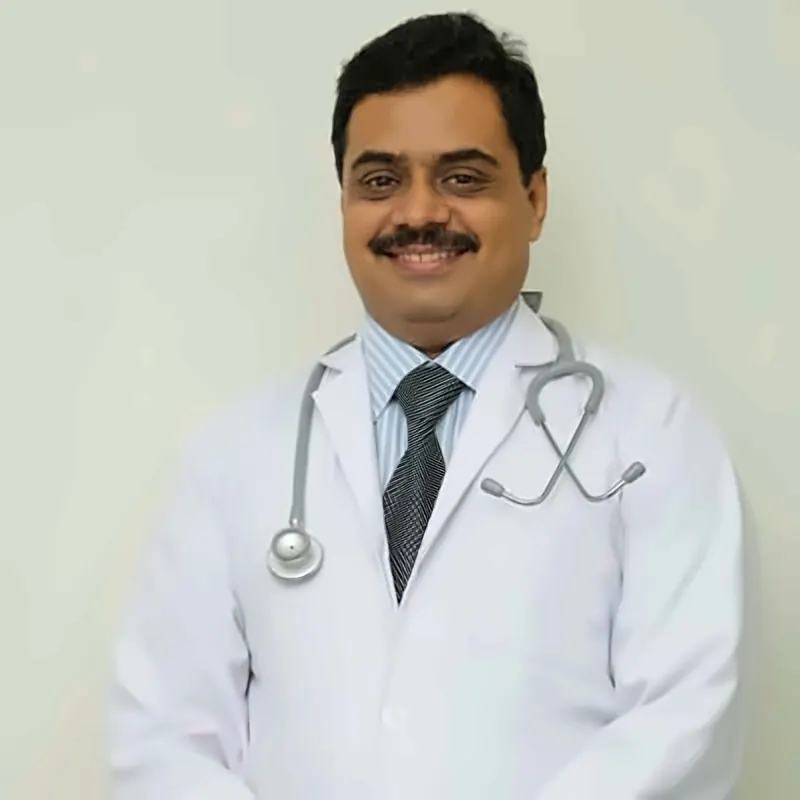
To be completely clear, our clinics are at Adajan and Vesu in Surat, and we have no centre in Gondal. For a suspected active infection, the nearest emergency hospital in Gondal or Rajkot is the right first door, nothing about that should wait for travel. Later, for the reconstruction stage, families searching for necrotizing fasciitis treatment in Gondal can send wound photographs on WhatsApp to Elegance Clinic for a video assessment with Dr. Ashutosh Shah, who brings more than 22 years of reconstructive surgery experience to exactly these wounds. The outstation patient guide then helps plan grafting and review in the fewest possible trips, Gondal to Surat is roughly a six hour journey.
FAQs
How fast does the infection spread?
Within hours. The infection can advance visibly in a single day, which is why emergency surgery on the same day as diagnosis gives the best outcomes.
What is the earliest warning sign?
Pain that is far more severe than the visible skin change, often with fever and rapid spread. That mismatch between pain and appearance is the signal to seek emergency care.
Can it be treated without surgery?
No. Antibiotics support the treatment, but removing the infected tissue surgically is the only way to stop the spread and save the surrounding healthy tissue.
What does reconstruction involve?
Once infection is controlled, skin grafting covers the raw areas, and staged procedures restore contour and movement. Grafted skin settles in about three weeks.
How much does reconstruction cost?
It depends on wound size and the number of procedures. A fixed written estimate follows examination, and EMI options help spread an unplanned expense.
Is it contagious to family members?
Ordinary contact is not a significant risk. The bacteria involved are common, and the illness comes from deep tissue entry, not from being near a patient.
Who is most at risk?
Diabetic patients, people with weak immunity or kidney disease, and anyone with an untreated wound. Rapid worsening of any skin infection deserves urgent attention.
Can the affected area look normal again?
Grafted areas regain a natural, functional appearance over months, though some visible difference usually remains. Function, comfort and safety recover first, appearance keeps improving with scar care.
Ready to discuss your concern in person? Book a private consultation at our Adajan or Vesu clinic. Call +91 83205 00350 or use the Book Consultation button.