Debridement Surgery in Bhavnagar Patients: When a Wound Needs Clearing
Published: 5 August 2026 · Last Updated: August 2026
Key Takeaways
- Dead tissue physically blocks healing, so no dressing works until it is removed.
- Debridement is a treatment step, not a single operation, and it may be repeated more than once.
- Blood supply must be checked before debridement, otherwise the wound simply enlarges.
- Deep tissue culture guides antibiotics far better than a surface swab does.
- Elegance Clinic runs only from Adajan and Vesu in Surat, so Bhavnagar patients travel for surgery.
When a wound stops improving, the reason is usually sitting on its surface. Dead tissue, slough and old crust block new skin from growing across, so the wound stalls no matter how expensive the dressing is. Debridement Surgery in Bhavnagar patients ask about is simply the controlled removal of that dead tissue, which turns a stagnant wound back into a healing one.
Families from Bhavnagar reach Elegance Clinic with a familiar sequence. Dressings changed daily for months, antibiotics repeated several times, and a wound that shrinks slightly then opens again. Understandably, that pattern feels discouraging. Nevertheless, once dead tissue is cleared and the cause behind it is corrected, wounds that seemed hopeless frequently close within weeks.
What is debridement surgery and why is it needed?
Debridement is the surgical removal of dead, infected or unhealthy tissue from a wound so that healthy, bleeding tissue is exposed underneath. Dead tissue feeds bacteria and blocks new cells from migrating across the surface. Consequently a wound cannot close until that layer is cleared, regardless of the dressings used.
Debridement surgery is the controlled removal of dead, infected or unhealthy tissue from a wound, performed to expose healthy bleeding tissue so that natural healing or a graft can proceed.
Surgeons often describe it as preparing the ground before planting. A clean, well supplied wound bed will accept a graft or close on its own, whereas a wound covered in slough will reject anything placed on it. This principle applies equally to diabetic foot ulcers, pressure sores, burns, road accident wounds and infected surgical sites.
Who needs debridement?
Certain wounds nearly always require it. Diabetic foot ulcers with thick surrounding callus, pressure sores over the heel or hip, wounds with black or yellow tissue, abscesses that have burst, necrotising infections, and traumatic wounds contaminated with mud or grease all fall into this group.
Timing matters more than most patients realise. Spreading redness, fever, foul smell, rapidly rising sugar levels or crackling under the skin signal an urgent problem, and delay in those cases costs tissue. Meanwhile a stable chronic ulcer can be planned electively, giving time for investigations and travel arrangements.
Types of debridement and how they differ
- Sharp surgical debridement: dead tissue is cut away with a blade or scissors in theatre, which is the fastest and most thorough method.
- Bedside debridement: small amounts of slough are removed during a dressing change under local anaesthesia.
- Enzymatic debridement: ointments dissolve dead tissue slowly, useful when surgery must be delayed or the area is small.
- Autolytic debridement: moisture retaining dressings let the body's own enzymes soften dead tissue, gentle but slow.
- Mechanical methods: irrigation and specialised devices flush debris out, often used alongside sharp debridement.
Choice depends on wound size, infection level and how urgently the tissue must come out. Serious infection almost always demands the sharp surgical route, since slow methods cannot outpace spreading bacteria.
Why is more than one sitting sometimes needed?
Tissue damage often extends deeper than it appears on day one. Some tissue looks borderline during the first operation, then declares itself dead over the following days. Therefore a planned second look, usually within forty eight to seventy two hours, protects healthy tissue that might otherwise have been removed unnecessarily.
Blood supply also influences the number of sittings. When arteries are narrowed, the wound edge struggles even after clearance, so angioplasty or bypass may be arranged between sittings. Research indexed on PubMed consistently shows that deep tissue culture taken during debridement guides antibiotic choice more reliably than a surface swab, which is why samples are collected from the depth rather than the surface.
How the procedure is carried out
Every wound is different, yet the sequence rarely changes.
- Assessment: wound depth, exposure of bone or tendon, sensation and pulses are examined, and photographs record the starting point.
- Circulation check: Doppler ultrasound or angiography identifies any blockage, because clearing tissue without blood supply enlarges the wound.
- Anaesthesia: small wounds are handled under local or regional anaesthesia, while extensive infection requires general anaesthesia in theatre.
- Tissue clearance: dead skin, slough, infected fat and non viable muscle are removed until healthy bleeding tissue appears at every edge.
- Sampling and washout: deep tissue is sent for culture, then the cavity is irrigated thoroughly to reduce the bacterial load.
- Dressing and review: negative pressure or a moist dressing is applied, and a second look is scheduled if borderline tissue was left behind.
What happens once the wound is clean
A clean wound has three possible routes. Small wounds close on their own with regular dressings, medium wounds are resurfaced with a skin graft, and deep wounds exposing bone or tendon need a local flap or a microvascular free flap for durable cover.
Reconstruction is planned rather than rushed. Sugar control, protein intake, smoking cessation and pressure relief all influence whether a graft survives. Outcomes from wound clearance followed by grafting and flap cover can be viewed in the before and after gallery.
Travelling from Bhavnagar to Surat
Honesty serves patients better than marketing. Elegance Clinic operates only from two Surat locations, at Adajan and Vesu, and no branch or visiting centre exists in Bhavnagar. Routine dressings, sugar medication and initial assessment are therefore best handled locally, since Bhavnagar has competent physicians and dressing facilities.
Travel makes sense in defined situations: a wound older than six weeks, exposed bone or tendon, repeated failed dressings, spreading infection, or an amputation that has already been advised elsewhere. Bhavnagar sits roughly five to six hours from Surat by road, so Debridement Surgery in Bhavnagar residents need is usually completed within one well planned trip. Our outstation patient guide explains how assessment, surgery and early recovery are combined, with photograph and video reviews continuing from home afterwards.
Cost and insurance
Cost depends on wound size, whether one or more sittings are required, anaesthesia type, hospital stay, negative pressure therapy and any reconstruction that follows. Quoting a number before examination would be misleading, so Elegance Clinic issues a written estimate afterwards covering surgery, medicines, dressings and follow up.
Debridement for infection or a diabetic foot problem is frequently covered by health insurance, therefore policy papers are worth carrying to the first visit. Where the plan runs longer, instalment options are described in our EMI and financing guide, and wound photographs can be shared beforehand through the contact page.
Common myths about debridement
- Debridement does not make a wound bigger unnecessarily, although a clean wound often looks larger because dead tissue was hiding its true extent.
- Stronger antibiotics cannot replace surgical clearance, since drugs barely penetrate dead tissue.
- Letting a wound dry out does not help, because new cells migrate only across a moist surface.
- Home remedies such as oil, turmeric paste or ash seal bacteria beneath a crust rather than cleaning the wound.
- A painless wound is not automatically safe, as reduced sensation removes the body's warning signal entirely.
Aftercare after the procedure
Aftercare decides whether the gain holds. Keep the dressing intact until the scheduled change, elevate the limb, and avoid walking on an operated foot unless offloading footwear has been provided. Additionally, protein rich food genuinely speeds healing, since new tissue is built from protein.
Sugar control runs alongside everything else. High readings slow new tissue formation and invite reinfection, so monitoring continues through the whole recovery. Report increasing pain, fresh discharge, foul smell or fever immediately rather than waiting for the next appointment.
Why patients choose Elegance Clinic
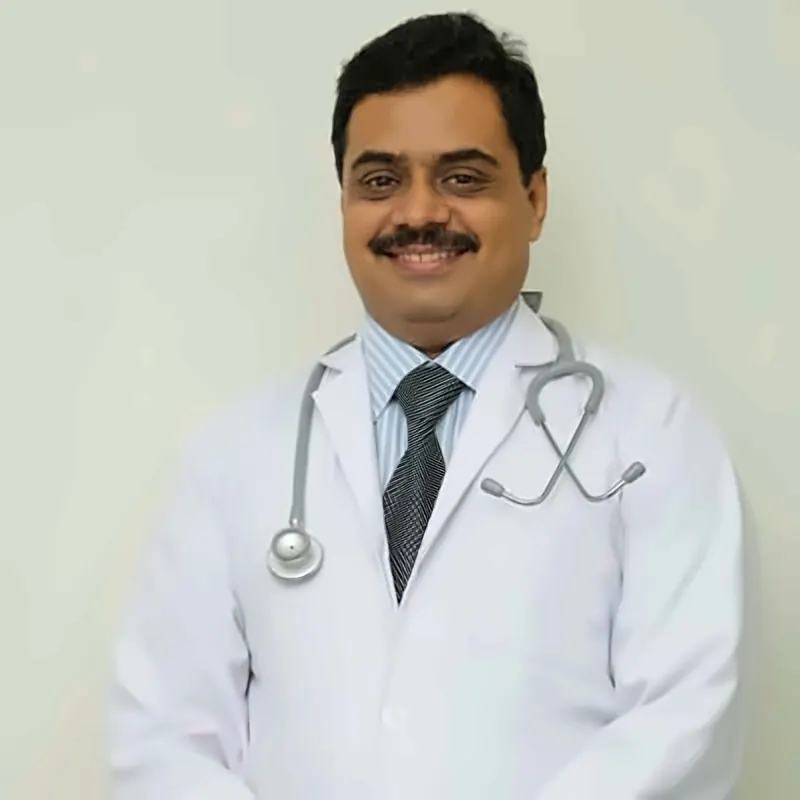
Families travel to Elegance Clinic because clearance, reconstruction and follow up are handled by one surgical team instead of separate departments. Dr. Ashutosh Shah has more than twenty two years of plastic and reconstructive surgery experience, spanning debridement, skin grafting, local flaps and microvascular free flaps, so the plan for closing the wound is clear from the first visit.
Before agreeing to Debridement Surgery in Bhavnagar or anywhere else, ask two questions. Ask whether circulation will be assessed first, and ask what the plan is for covering the wound once it is clean. Appointments can be arranged through online consultation booking.
FAQs
Is debridement painful?
The procedure itself is not painful, because anaesthesia numbs the area completely. Mild soreness afterwards is expected and responds to simple painkillers, while many patients actually report relief once infected tissue and trapped pus are removed.
How long does the wound take to heal afterwards?
Small clean wounds often close within three to four weeks. Larger wounds needing a graft or flap take six to twelve weeks, and healing depends heavily on blood supply, sugar control, nutrition and pressure relief during recovery.
Will more than one procedure be needed?
Sometimes yes. Tissue that looked borderline at the first operation can declare itself dead within two or three days, so a planned second look protects healthy tissue rather than removing too much at once.
Can this prevent an amputation?
In many cases it can. Early clearance combined with restored blood flow and infection control saves a large proportion of limbs that were previously considered unsalvageable, which is why a second opinion is always worth seeking.
Is general anaesthesia always required?
No. Small superficial wounds are managed under local or regional anaesthesia as a day procedure, whereas extensive infection, deep cavities or wounds involving bone are safer under general anaesthesia in a proper theatre.
What is negative pressure dressing?
It is a sealed dressing connected to gentle suction that draws out fluid, reduces swelling and encourages new tissue growth. Used after clearance, it often prepares a wound for grafting faster than conventional dressings alone.
Can dressings alone clean a wound instead?
Only for very superficial slough. Thick dead tissue, exposed bone or spreading infection will not resolve with dressings, and relying on them wastes weeks during which the infection can travel deeper into the limb.
Ready to discuss your concern in person? Book a private consultation at our Adajan or Vesu clinic. Call +91 83205 00350 or use the Book Consultation button.